Bringing Empty Spaces to Life with Virtual Furniture Staging
In an era where real estate decisions often begin online, first impressions matter more than ever. A vacant room may not capture the attention or imagination of a potential buyer, but a thoughtfully styled space can leave a lasting impact. Virtual furniture staging is the innovative solution that bridges the gap between potential and presentation, transforming bare interiors into inviting, furnished environments.
Virtual furniture staging involves digitally placing realistic furniture and décor into photographs of empty rooms. Unlike traditional staging, which requires physical items and setup, this method uses advanced graphic design software to simulate fully furnished interiors. The result is a visually compelling image that helps buyers see the full potential of a property without the hassle and cost of moving actual furniture.
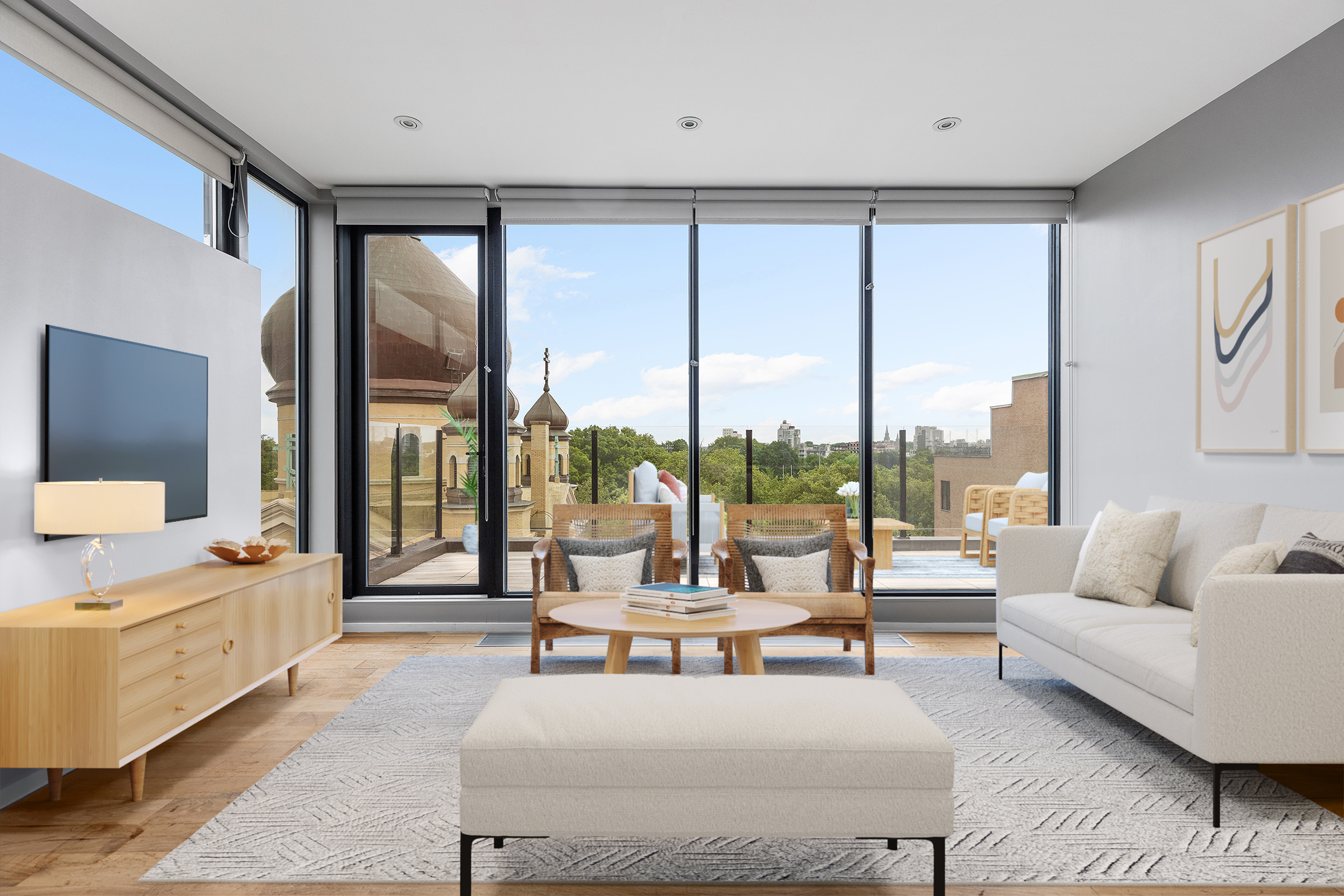
One of the standout benefits of virtual home staging is its adaptability. Each room can be styled to match specific tastes or target demographics. A city apartment can be shown with modern, minimalist furniture, while a suburban home might be presented with a warm, family-friendly aesthetic. This flexibility allows real estate agents to tailor their marketing approach and better appeal to a variety of buyers, increasing the chances of a successful sale.
Speed is another major advantage. Traditional staging can take days or even weeks to coordinate, while virtual staging can often be completed in under 48 hours. This quick turnaround is ideal for agents or homeowners who need to list properties promptly, especially in competitive markets. Virtual staging also allows for multiple versions of a room to be created, providing buyers with different layout and style options that encourage engagement.
Despite its digital nature, virtual furniture staging must be executed with care and realism. Reputable providers ensure that scale, perspective, lighting, and shadowing are accurate, so that the staged images closely resemble what the space would look like if physically staged. Ethical use is also essential—images should enhance but not deceive, maintaining the structural authenticity of the property.
In conclusion, virtual furniture staging offers a forward-thinking approach to real estate marketing. It provides a cost-effective, efficient, and highly visual method for presenting properties in their best light. As more buyers browse listings from their phones or laptops, digitally staged homes offer a competitive edge that traditional methods may struggle to match. When done well, virtual staging isn’t just a digital trick—it’s a strategic tool that opens the door to a quicker, more successful sale.


Comments
Post a Comment