Digital Curb Appeal: The Rise of Virtual Staging in Real Estate
In today’s highly visual and tech-driven real estate market, presentation is everything. With most property searches beginning online, the way a listing looks can significantly influence buyer interest. That’s where virtual staging for real estate comes into play—offering a powerful, cost-effective alternative to traditional home staging by digitally furnishing and decorating empty or outdated spaces.
Virtual staging uses photo-editing and 3D rendering software to transform vacant rooms into beautifully designed interiors. Instead of physically renting and moving furniture into a home, real estate professionals can upload high-resolution images of empty spaces and receive staged versions that show the property’s full potential. The results are photorealistic images that capture attention and help buyers imagine themselves living in the home.
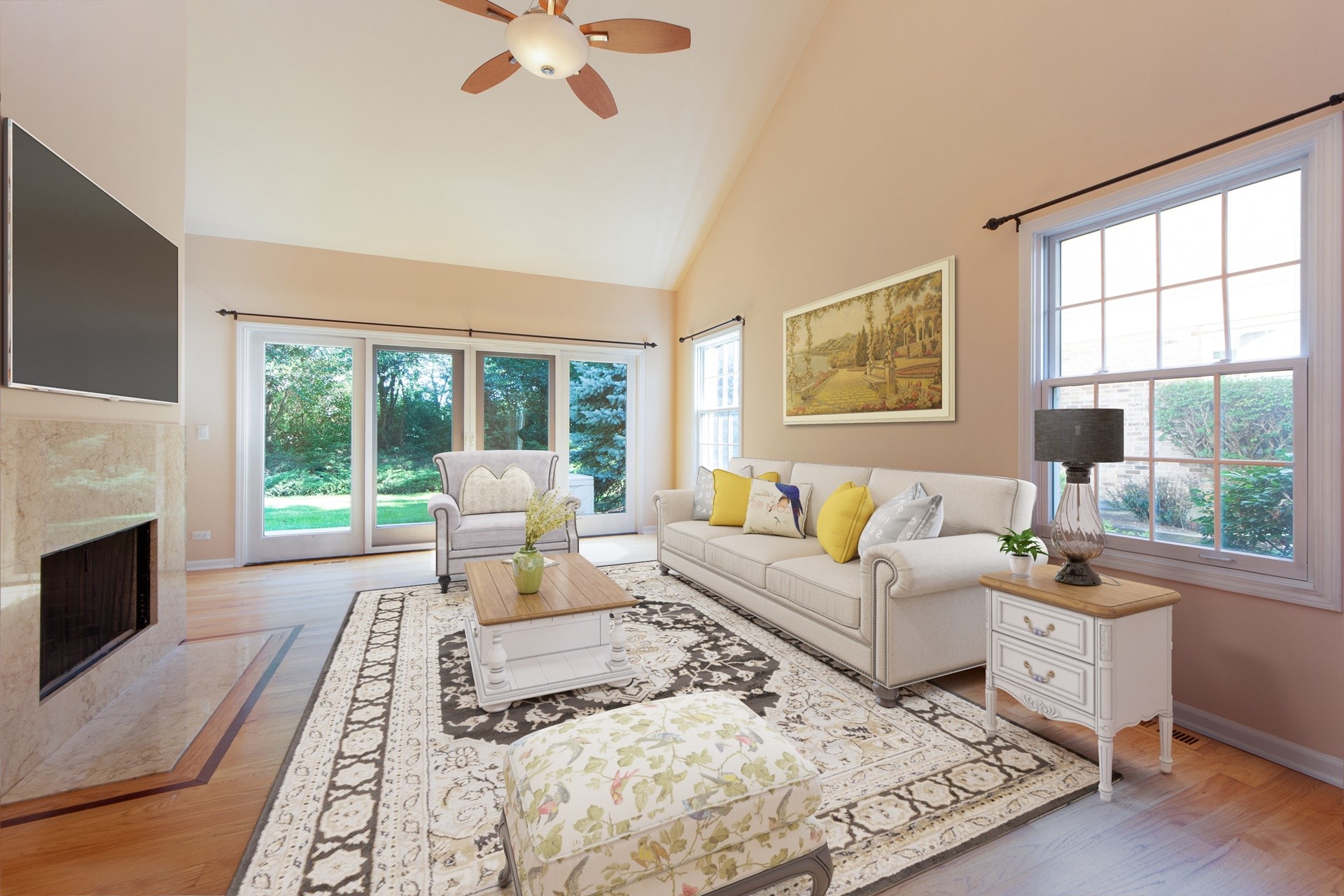
One of the key benefits of virtual staging is cost-efficiency. Traditional staging can cost thousands of dollars, especially if a home stays on the market for a while. In contrast, virtual staging services typically charge a flat fee per image, making it more affordable for agents, homeowners, and developers. It also eliminates logistical concerns like scheduling movers, arranging furniture, and maintaining staged interiors over time.
Beyond saving money, virtual staging offers flexibility and creative control. Real estate agents can request multiple design styles—modern, farmhouse, industrial, or minimalist—based on the target buyer demographic. This allows a single space to be presented in different ways, appealing to a broader audience. Some platforms also offer add-ons like virtual renovations, decluttering, or landscape enhancements, giving sellers more tools to improve property appeal.
Virtual staging has also proven to boost engagement and speed up sales. Listings with staged photos tend to receive more clicks and longer viewing times online. When buyers can see a furnished space, they’re more likely to emotionally connect with the property. For homes that are vacant, outdated, or in need of renovation, virtual staging helps buyers look past imperfections and focus on the home’s possibilities.
In conclusion, real estate virtual staging is reshaping the way homes are marketed. It combines design and technology to offer a faster, more affordable, and visually compelling way to showcase properties. As the industry continues to move toward digital-first strategies, virtual staging stands out as a smart investment for anyone looking to sell or lease property in a competitive market.


Comments
Post a Comment